Qualcomm Launches the First 5 GHz Phone Chip with AI That Runs Without Internet: What Changes for You
Snapdragon 8 Elite Gen 6 and Extreme Gen 6 come in two versions, promise to run AI models with more than 30 billion parameters right on the device and debut in the Xiaomi 18 Pro and the Motorola Signature 27. Here’s what’s real, what’s marketing and whether it’s worth waiting.
In short:
- What was announced: Snapdragon 8 Elite Gen 6 and Snapdragon 8 Elite Extreme Gen 6, at the Snapdragon Summit (September 22, 2026).
- First 5 GHz: two prime cores at up to 5 GHz and six at up to 4 GHz — the first phone chips to reach that clock speed.
- AI without internet: the Extreme promises to run models with 30 billion parameters right on the device.
- First phones: Xiaomi 18 Pro (Gen 6) and 18 Pro Max (Extreme), and the Motorola Signature 27 — from Q4 2026.
- For you: no need to change phones now — the benefits reach flagships first and mid-range phones later.
- Introduction
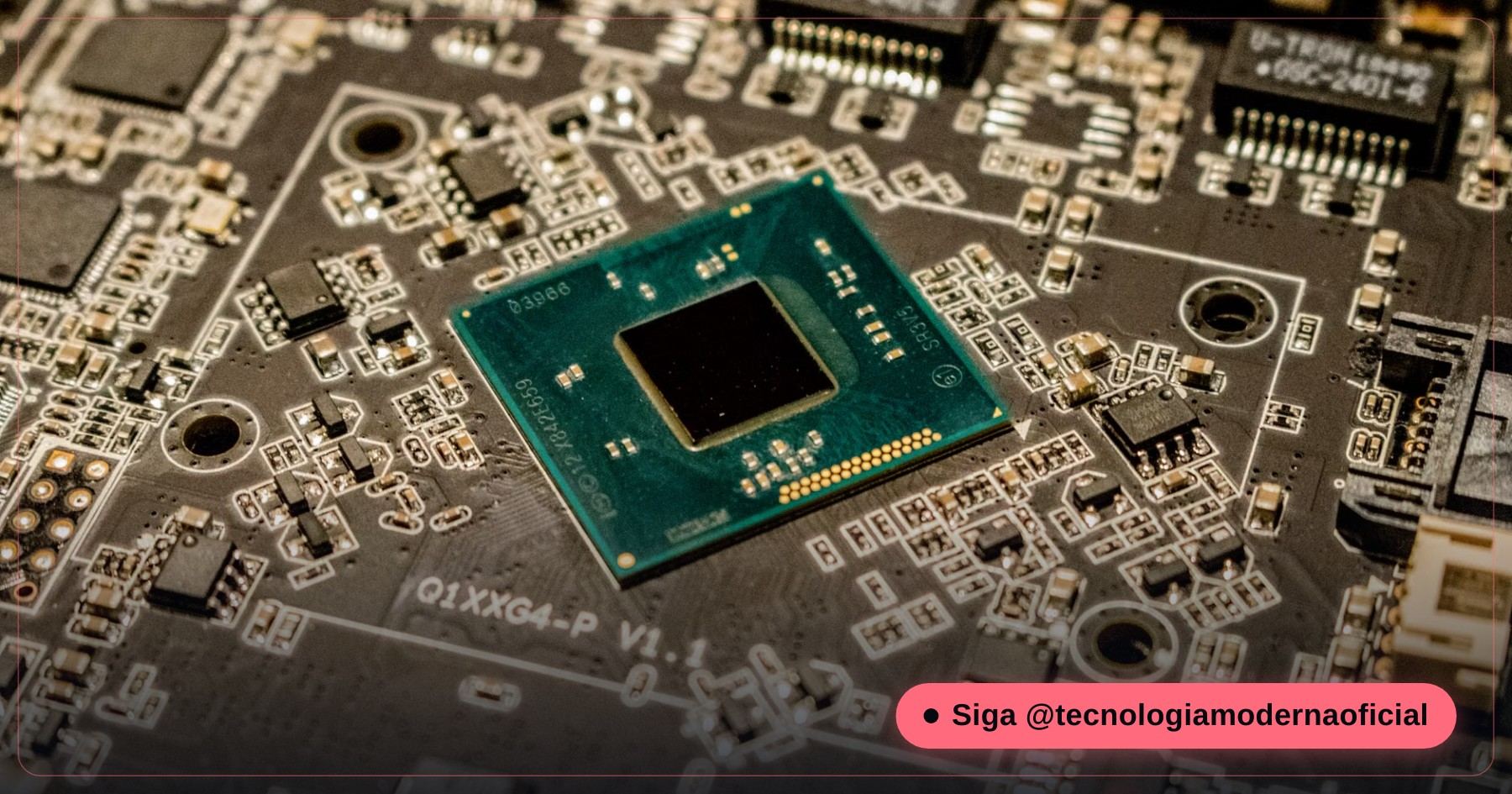
- The Specs That Matter
- What “AI That Runs Without Internet” Means
- “Personal Scribe” and Agents: What Qualcomm Promises
- Examples of What Local AI Can Do Day to Day
- Can You Use Local AI on the Phone You Already Have?
- Which Phones Will Use the New Chip
- Is It Worth Waiting to Buy a Phone?
- Marketing vs Reality
- Quick Glossary
- Summary in 30 Seconds
- Sources
- Frequently Asked Questions
⚡ Snapdragon 8 Elite Gen 6: What Was Announced
At the Snapdragon Summit, Qualcomm unveiled its new generation of processors for flagship phones. The twist is that, for the first time, the top line was split into two different chips: the Snapdragon 8 Elite Gen 6 and the Snapdragon 8 Elite Extreme Gen 6.
The two share almost everything, but the Extreme was designed for people who want the very best in artificial intelligence and video. And the headline isn’t just speed: it’s the promise of running large AI models directly on the phone, without relying on the internet — something that until recently required a powerful computer or a cloud server.
📊 The Specs That Matter
| Item | Snapdragon 8 Elite Gen 6 | Snapdragon 8 Elite Extreme Gen 6 |
|---|---|---|
| CPU | 8 Oryon cores: 2 at up to 5 GHz + 6 at up to 4 GHz | Same |
| Manufacturing | 2-nanometer process (TSMC) | 2-nanometer process (TSMC) |
| AI (NPU) | New Hexagon NPU focused on AI “agents” | Bigger NPU; up to 30-billion-parameter models on the device |
| Memory | LPDDR5X | First Snapdragon with LPDDR6 support |
| Video | Advanced camera features | First to record 8K at 60 frames per second and 4K at 240 in slow motion |
“5 GHz” grabs attention, but in practice the gain most people will notice is efficiency (less heat, more battery) and AI. A high clock speed in a phone is only sustained briefly — the chip soon slows down so it doesn’t overheat, as I explain in why phones get too hot.
🧠 What “AI That Runs Without Internet” Means
Today, when you use an AI assistant on your phone, your question usually travels over the internet to a server, gets processed there and the answer comes back. That has three problems: it depends on a connection, it has a delay and your data leaves the device.
So-called local AI (or “on-device” AI) does everything inside the phone itself. The “30 billion parameters” figure gives an idea of the model’s size: an AI brain big enough to chat, summarize texts and organize tasks with quality similar to assistants that used to run only in the cloud.
| Cloud AI | Local AI (on the device) | |
|---|---|---|
| Works without internet? | No | Yes |
| Privacy | Data goes to the server | Data stays on the phone |
| Speed | Depends on the connection | Instant response |
| Giant models | Yes, no limit | Limited by memory and battery |
If you want to better understand the pros and cons of running AI on your own device, I explain it in local AI: running artificial intelligence without the cloud. And if you want to do it on a computer, see which graphics card to use for local AI.
🗒️ “Personal Scribe” and Agents: What Qualcomm Promises
Besides the big model, Qualcomm highlighted the new Sensing Hub, the part of the chip that’s always on while using very little power. It will be able to run small models all the time to:
- Work as a “personal scribe”, transcribing and summarizing what happens in a meeting or class.
- Tell who is speaking in a recorded conversation.
- Learn from how you use the phone and suggest automations for repetitive tasks.
These are interesting promises, but with an important asterisk: what reaches users is decided by the phone makers (Xiaomi, Motorola, OnePlus…) and app developers. The chip provides the capability; the feature showing up on your phone is another story. AI features that are always listening also raise privacy questions — read the permissions carefully when they arrive.
💡 Examples of What Local AI Can Do Day to Day
To make it concrete, these are the kinds of tasks that get better when AI runs inside the device:
| Situation | With cloud AI | With local AI |
|---|---|---|
| Summarizing a long group chat | Sends the chat text to a server | Summarizes without the text leaving the phone |
| Transcribing a class or meeting | Needs a good connection the whole time | Works even on the subway, with no signal |
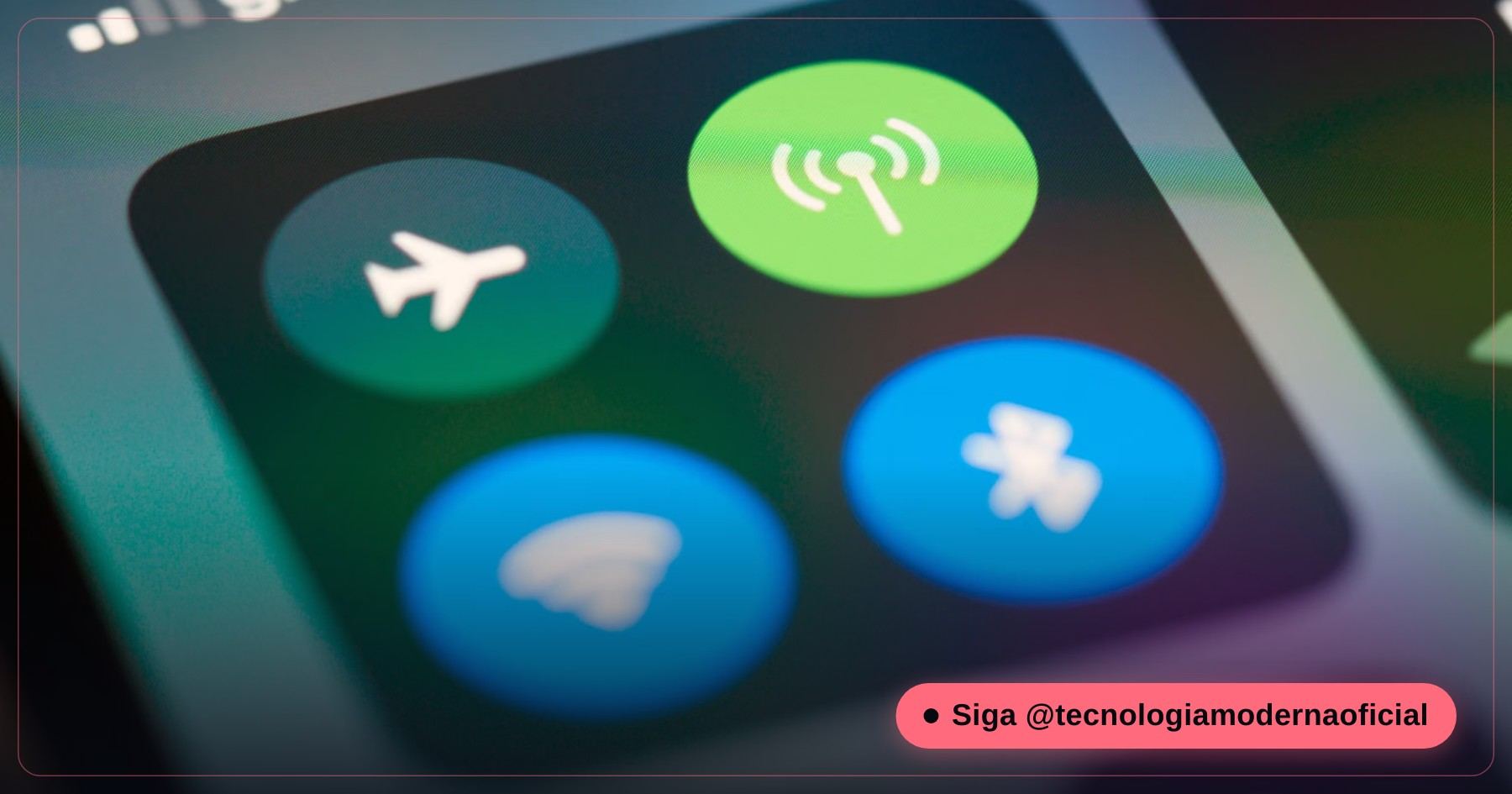
| Translating a conversation while traveling | Depends on roaming or Wi-Fi | Works in airplane mode |
| Finding “that receipt photo from last month” | Photos analyzed on servers | Analysis done on the device itself |
| Suggesting replies and organizing your calendar | Personal data travels over the internet | Data stays on the phone |
The common thread is privacy: the more personal the data (messages, photos, calendar, health), the more sense it makes for it to be processed without leaving the device.
📲 Can You Use Local AI on the Phone You Already Have?
Partly, yes. On-device AI isn’t new — the new chips just greatly increase the size of the models that fit on a phone. Today there’s already:
- Android: several recent flagships (like the Pixels and part of the Galaxy line) run Gemini Nano, the compact version of Google’s AI, right on the device — used for summaries, suggested replies and transcriptions.
- iPhone: models compatible with Apple Intelligence process many tasks on the device and only turn to Apple’s cloud for the heaviest ones.
- Any phone: features like voice typing and offline translation already use small local models — for example, by downloading a language for offline use in the translation app.
The difference with the new generation is scale: much bigger, more capable models running with the same privacy. And as always, the golden rule applies: be wary of apps that promise “AI” while asking for access to everything on your phone.
📱 Which Phones Will Use the New Chip
| Phone | Chip | Note |
|---|---|---|
| Xiaomi 18 Pro | Snapdragon 8 Elite Gen 6 | Announced as the first with the chip; initial launch in China |
| Xiaomi 18 Pro Max | Snapdragon 8 Elite Extreme Gen 6 | Xiaomi wants to be the first to sell both versions |
| Motorola Signature 27 | Snapdragon 8 Elite Extreme Gen 6 | One of the first announced with the Extreme |
| 2027 flagships | One of the two | HONOR, iQOO, OnePlus, OPPO, Redmi, RedMagic and vivo are confirmed partners, with the bigger wave in early 2027 |
And in your country? There are no global dates or prices yet. Historically, Snapdragon flagships launch in China first and reach Europe, the Americas and other markets weeks or months later — often at higher prices because of taxes and import costs.
🤔 Is It Worth Waiting to Buy a Phone?
| Your situation | Recommendation |
|---|---|
| You’re buying a mid-range phone | No need to wait. This is a flagship chip and won’t change that segment any time soon |
| You want a flagship and can wait a few months | It’s worth following the Gen 6 launches in your market |
| Your current phone works well | Don’t switch because of a GHz number — the everyday gain is small |
| You use AI a lot, shoot a lot of video or play heavy games | You’re the audience that will feel the difference most |
If your problem is a slow phone, before replacing it check whether it isn’t a lack of storage, a worn battery or too many apps — very often it’s solvable without spending money. And to choose well when the time comes, there’s my guide on how to choose the right phone.
🔎 Marketing vs Reality
| Promise | What to consider |
|---|---|
| “First 5 GHz phone chip” | True, but only for short bursts; what matters is sustained efficiency |
| “30-billion-parameter AI on the phone” | A capability of the Extreme chip; it depends on apps and makers using it |
| “Always-on personal scribe” | A platform feature; each brand decides whether and how to offer it |
| “8K video at 60 frames” | Real on the Extreme, but few people have anywhere to watch 8K — and the files are huge |
The official numbers come from Qualcomm itself. Independent tests will only appear when the phones reach reviewers — that’s when we’ll know how much of this becomes a real difference.
📖 Quick Glossary
| Term | Meaning |
|---|---|
| NPU | The part of the chip specialized in artificial intelligence — it does that work using far less power than the CPU |
| Parameters | The internal “settings” of an AI model; the more parameters, the more capable (and heavier) it tends to be |
| Mixture-of-Experts (MoE) | A type of model that activates only the parts needed for each question — that’s why it fits in smaller devices |
| Nanometers (nm) | The size of the manufacturing process; smaller usually means a more efficient chip |
| GHz | Processor frequency — how many cycles per second, in billions |
| On-device | Processing done on the device itself, without sending data to the cloud |
📌 Summary in 30 Seconds
- Two new chips: Gen 6 and Extreme Gen 6, both with CPUs of up to 5 GHz.
- The big highlight is AI running on the phone itself, without internet and with more privacy.
- First devices: Xiaomi 18 Pro/Pro Max and Motorola Signature 27.
- No global dates yet — China first, the rest of the world later.
- For most people, it’s not a reason to change phones now.
And if you follow launches, see also what changed in the iPhone 18 Pro.
📚 Sources
The information in this article was checked against these sources (links open in a new window):
- XDA Developers — Snapdragon 8 Elite Gen 6 in two tiers
- PetaPixel — 8K60 video on phones
- Tech Times — 2 nm chips and offline AI
If there’s official news, this article will be updated.
FAQ
What’s the difference between the Snapdragon 8 Elite Gen 6 and the Extreme Gen 6?
Both have a similar CPU, with cores of up to 5 GHz. The Extreme has a stronger AI engine and graphics, supports LPDDR6 memory, runs bigger AI models on the device and records video in 8K at 60 frames per second.
What is local AI on a phone?
It’s artificial intelligence processed on the device itself, without sending your data to a server. It works without internet, responds faster and is more private.
When will the new Snapdragon phones be available?
The first ones arrive in Q4 2026, starting in China, with the bigger wave of flagships in early 2027. Dates vary by country.
Which phones will use the chip?
The first announced are the Xiaomi 18 Pro, the Xiaomi 18 Pro Max and the Motorola Signature 27. HONOR, iQOO, OnePlus, OPPO, Redmi, RedMagic and vivo are also confirmed partners.
Is it worth waiting for the new chip to change phones?
Only if you’re looking for a flagship and can wait. For mid-range phones, or if your current phone works well, there’s no reason to delay.
Does 5 GHz make the phone much faster?
The maximum frequency is only sustained briefly because of heat. The most noticeable difference tends to come from efficiency and AI features.
Will this chip make the phone hot?
It depends a lot on each manufacturer’s design. Smaller manufacturing processes tend to be more efficient, but only independent tests will show real behavior.
Does my current phone already have AI that works without internet?
Probably yes, on a smaller scale. Voice typing, translation with a downloaded language and, on recent flagships, models like Gemini Nano and Apple Intelligence already process many tasks on the device.
🎮 How much did you learn?
Once you pick an answer it locks in — reload the page to try again.
1. How many versions of the new chip did Qualcomm announce?
2. What is the maximum frequency of the prime cores?
3. What is the main advantage of local AI?
4. Which version records video in 8K at 60 frames?
5. Which of these was announced with the new chip?
Esse conteúdo ajudou você?
Compartilha com alguém que também vai curtir — é rapidinho e ajuda muito o nosso trabalho a chegar em mais gente.
Conhecimento só tem valor quando compartilhado.
Manter essa estrutura de laboratórios funcionando e produzir conteúdos de engenharia de forma totalmente gratuita e acessível exige tempo e dedicação diária à bancada. Esse guia salvou os seus arquivos? Você pode contribuir diretamente para manter o nosso trabalho independente forte. Apoie doando qualquer valor!
Quer apoiar a nossa bancada independente?
[email protected]